Finding Reliable Garage Door Repair Near Me: What to Look For
When your garage door stops working properly, it can throw off your entire day. Whether it refuses to open, makes grinding noises, or simply won't respond to the remote, finding a dependable service for garage door repair near me becomes a top priority. But not all repair services are created equal, and knowing what to look for can save you time, money, and frustration.
Garage doors are complex mechanical systems. They combine heavy springs, cables, rollers, and electronic components that must work together smoothly. A problem in one area can affect the whole system. That is why a professional diagnosis matters more than a quick patch. Understanding the common issues and how they are addressed helps you make informed decisions when you search for garage door repair near me.
Common Garage Door Problems and What Causes Them
Most garage door issues fall into a few categories. The door itself may have mechanical wear, the opener could be failing, or the safety features might be out of adjustment. Here are some of the most frequent problems homeowners encounter:
- Spring failure: Torsion springs bear the weight of the door. When they break, the door becomes too heavy to lift manually or by the opener. Spring replacement is a high-tension job best left to professionals.
- Track misalignment: If the door wobbles or sticks, the tracks may be bent or loose. Track alignment ensures the door moves smoothly without binding.
- Opener malfunctions: The garage door opener can fail due to worn gears, dead motor capacitors, or circuit board issues. Common brands like LiftMaster, Chamberlain, and Genie each have specific troubleshooting steps.
- Roller or cable trouble: Worn rollers cause noise and jerky motion. Cable repair is needed when cables fray or snap, which can leave the door stuck in place.
- Sensor problems: Safety sensors prevent the door from closing on objects. Sensor adjustment is necessary if the door reverses for no reason or refuses to close.
Each of these issues requires a different approach. A reputable technician will diagnose the root cause rather than just treating symptoms. For instance, a noisy door might be due to dry rollers or a loose chain, but it could also signal a failing bearing in the opener. Knowing the difference comes from experience.
When to Call for Professional Help
Some homeowners are handy and can handle minor maintenance like lubricating hinges or tightening hardware. But many repairs involve stored energy or electrical components that can be dangerous. Torsion springs are under extreme tension. Attempting spring replacement without proper tools and training can cause serious injury. Similarly, adjusting the limit and force settings on a garage door opener requires understanding how the unit calibrates travel distances.
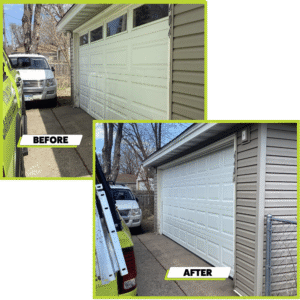
A professional service call typically begins with a visual inspection. The technician checks the condition of the springs, cables, rollers, and tracks. They test the opener's operation, including the manual release and keypad entry functions. They also verify that the safety sensors are aligned and working. If the door has a weather seal that is cracked or missing, they can recommend replacement to keep out drafts and pests.
For homeowners in Minneapolis and St. Paul, the climate adds another layer of wear. Freezing temperatures can cause lubricants to thicken, batteries in remotes to weaken, and sensors to fog up. Seasonal maintenance helps prevent emergency breakdowns. But when something does go wrong, searching for garage door repair near me in Minnesota should bring up services that understand local weather effects.
What a Thorough Repair Includes
A proper repair goes beyond just fixing the immediate symptom. A good technician will explain what went wrong, show you the worn parts, and discuss options. They should also check related components that might fail soon. For example, if one cable breaks, the other cable is likely in similar condition. Replacing both at the same time prevents a second service call.
Track alignment is another area where proactive work pays off. Even if the door opens and closes, a slightly misaligned track puts extra strain on the rollers and opener. Over time, this can cause premature wear. Adjusting the brackets and leveling the track takes little time but extends the life of the system.
When it comes to the garage door opener, compatibility matters. Not all openers work with all doors. LiftMaster, Chamberlain, and Genie models each have different mounting systems, horsepower ratings, and rail configurations. A professional will match the opener to the door weight and usage frequency. They will also program the keypad entry and sync remotes so everything works seamlessly.
Safety Features That Should Never Be Overlooked
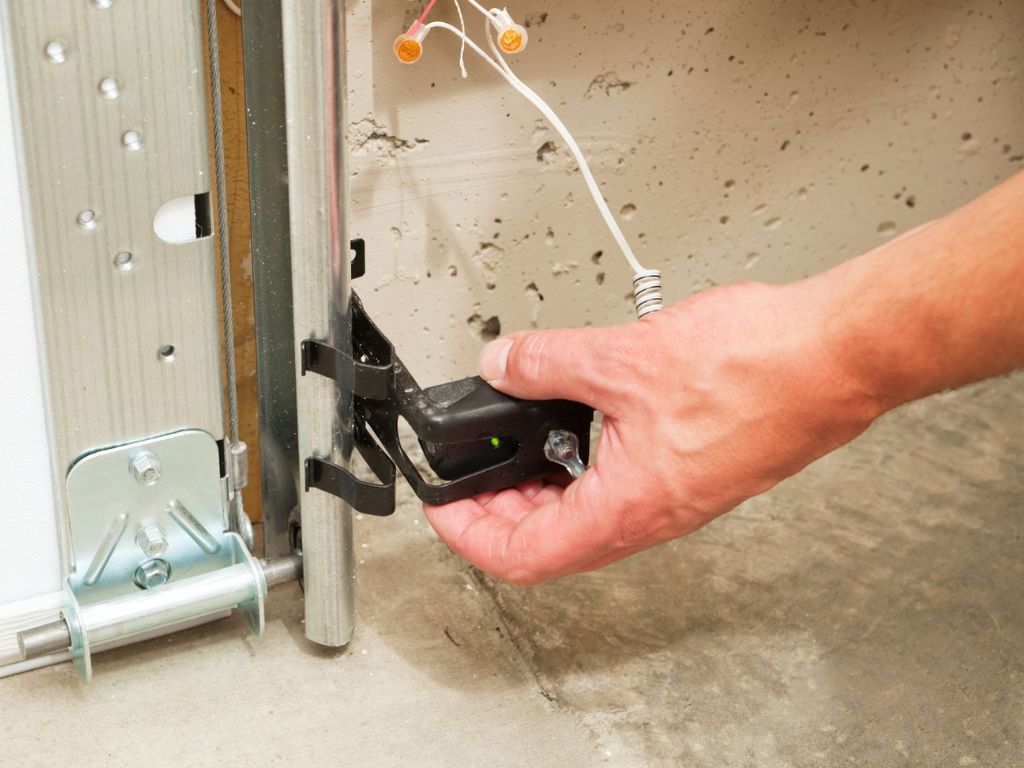
Modern overhead doors include several safety mechanisms. The most important are the safety sensors mounted near the floor on each side of the door. These sensors send an invisible beam across the opening. If something breaks the beam while the door is closing, the door stops and reverses. Sensor adjustment is critical because misaligned sensors can cause false reversals or fail to detect an obstruction.
Another safety feature is the manual release. This handle lets you disconnect the door from the opener so you can operate it by hand during a power outage. It is important to know where it is and how it works before you need it. A technician can demonstrate proper use during a service call.
The door should also have proper balance. An unbalanced door puts extra load on the opener and can make the door slam shut. Checking balance involves disconnecting the opener and lifting the door manually. A well-balanced door stays in place when raised partway. If it falls, the torsion springs need adjustment or replacement.
Choosing a Service Provider
When you look for garage door repair near me, consider the company's experience with different brands and door types. A shop that works on both residential and commercial doors likely has broader knowledge. Ask about warranty coverage on parts and labor. Most reputable services stand behind their work with a warranty on common repairs like spring replacement or cable repair.
Availability matters too. Garage door problems often happen at inconvenient times. A company that offers same-day or next-day service can get you back to normal quickly. In Minnesota, where cold weather can make a non-functioning door more than a nuisance, prompt response matters.
Finally, check that the technician is insured and follows safety practices. Working with torsion springs and electrical openers carries risk. A professional who uses proper procedures protects both themselves and your property.
Preventive Maintenance Extends Door Life
Regular care can reduce the need for emergency repairs. Lubricating rollers, hinges, and springs once or twice a year keeps things moving smoothly. Use a silicone-based lubricant, not grease, which can attract dirt. Check the weather seal for cracks or gaps and replace it if needed. Test the auto-reverse feature by placing a block in the door's path. If the door does not reverse, the sensor adjustment or force settings may need attention.
Also, listen to your door. Unusual sounds often indicate developing problems. A grinding noise might mean a roller is failing. A squeak could be a dry bearing. Catching these early can prevent more extensive damage.
Finding reliable help for garage door repair near me in the Minneapolis and St. Paul area means looking for a service that combines technical skill with good communication. The right technician will not only fix the problem but also help you understand what happened and how to avoid it in the future. That kind of expertise turns a frustrating breakdown into a manageable fix.